
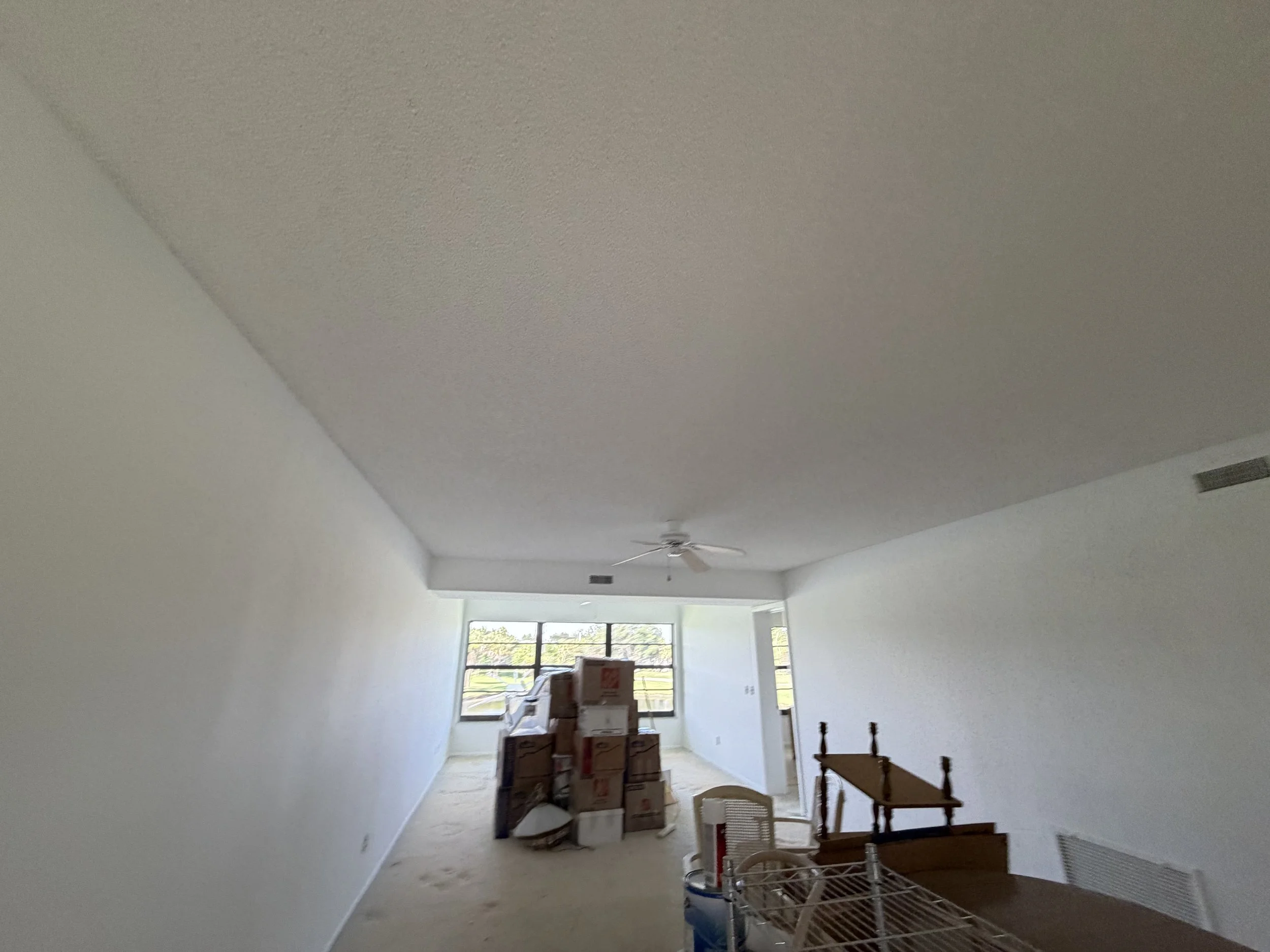
Mildew, Algae, Mold including Nicotine Stained Condo Restoration and Painting
Oil priming yellowed stained nicotine damaged walls and ceilings
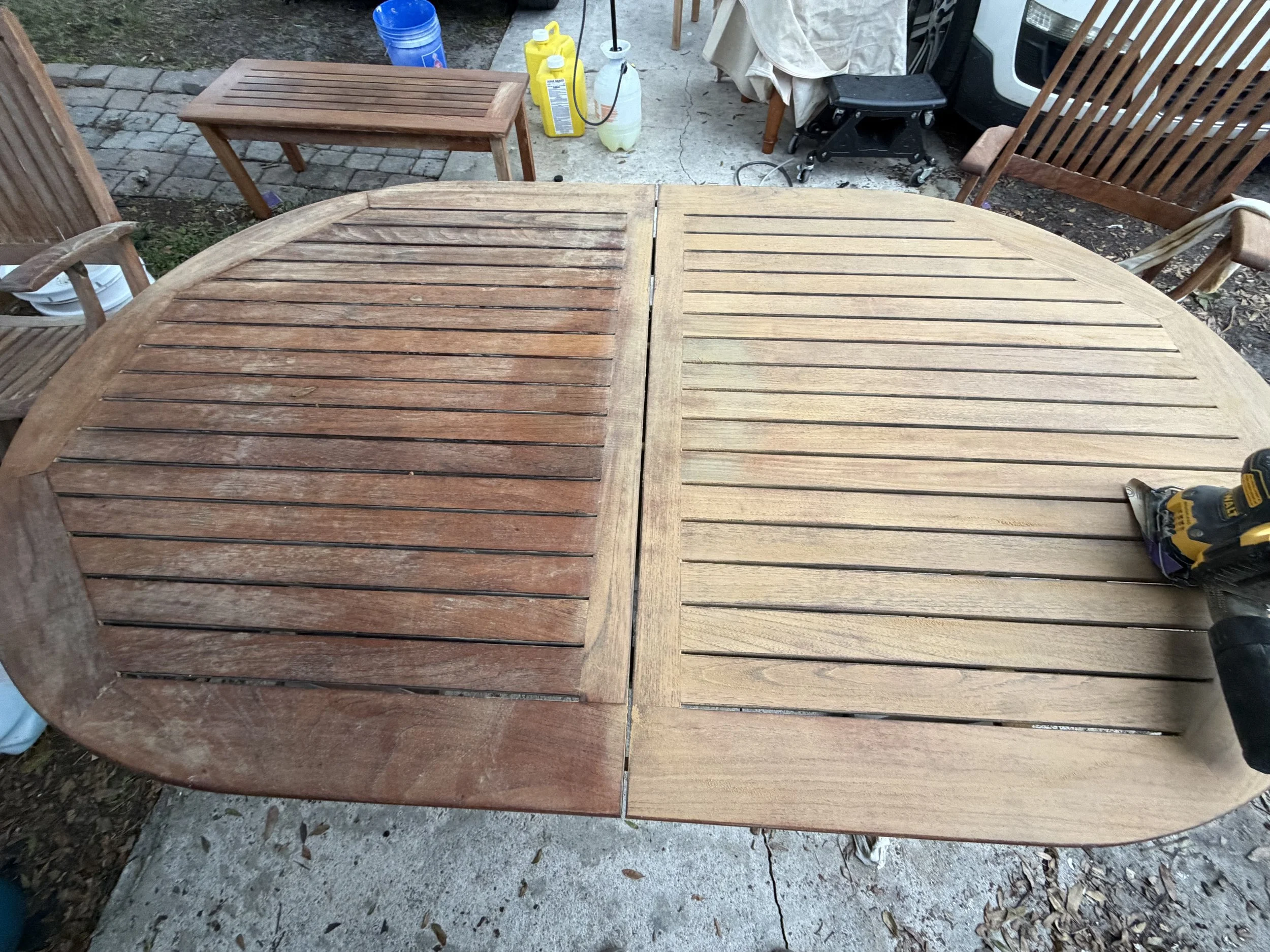
Why Professional Teak Refinishing Is the Best Way to Restore Outdoor Furniture
Teak wood refinishing in Vero Beach Florida
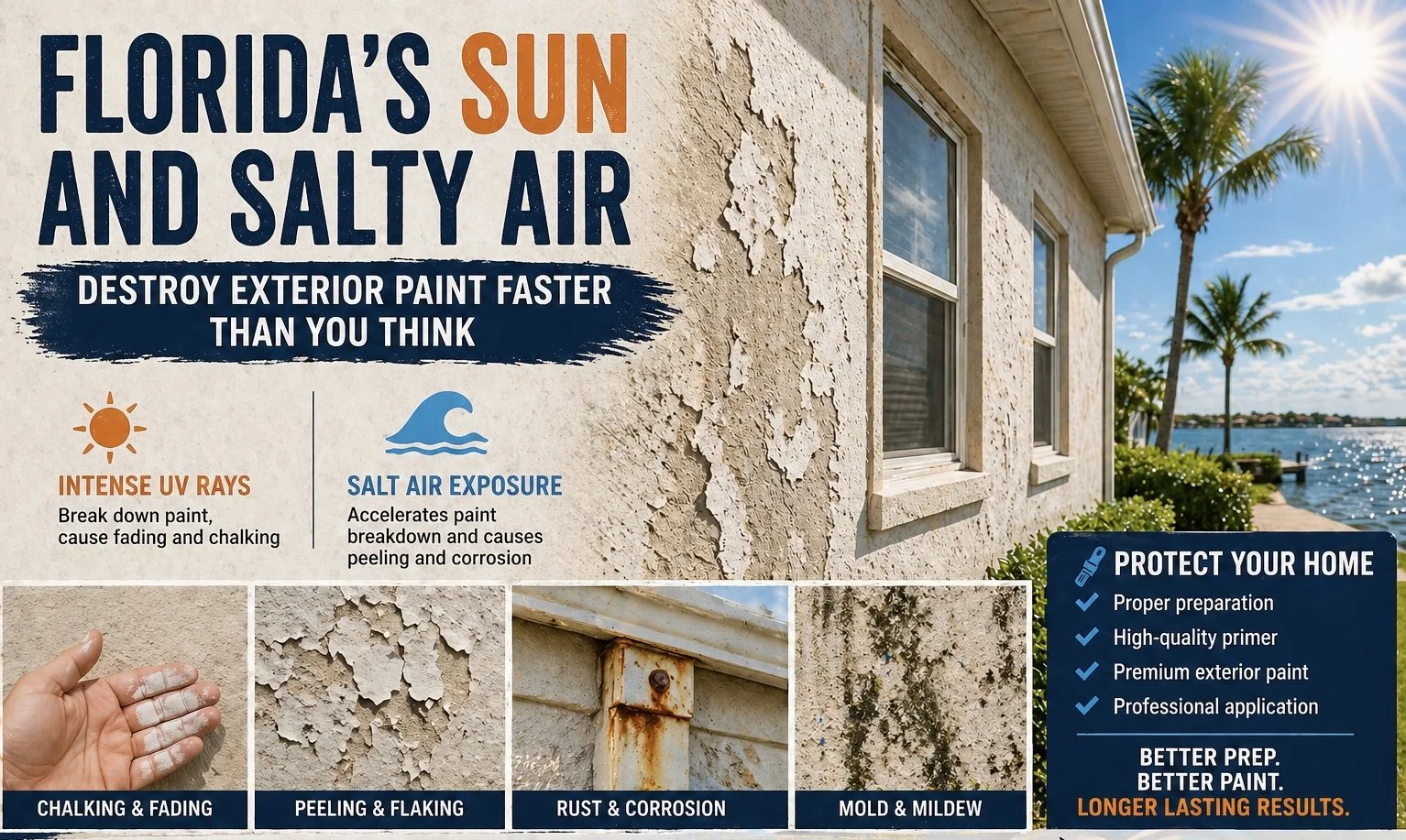
How Florida’s Sun and Salty Air Destroy Exterior Paint Faster Than You Think
When your home’s paint shows signs of failure—peeling, cracking, chalking, bubbling, or significant discoloration—addressing it promptly preserves both appearance and structural integrity. Begin by identifying the cause: moisture intrusion, improper surface preparation, poor-quality previous paint, or UV degradation are common culprits. Prepare affected areas thoroughly by removing loose paint, repairing damaged substrate (rot, rust, or soft wood), sanding to feather edges, and cleaning to remove dirt, mildew, and chalk residue. Apply appropriate primers and sealers that match the substrate and exposure conditions; using a stain-blocking primer or an elastomeric coating can prevent bleed-through and bridge fine cracks. Choose exterior-grade or interior-grade topcoats formulated for Florida’s climate—high-UV resistance and mildew control matter. Proper application—respecting manufacturer dry times, correct spread rates, and recommended number of coats—ensures durability. Finally, schedule periodic inspections and maintenance to catch early signs of failure; timely touch-ups and resealing extend the life of your repaint and protect your investment.
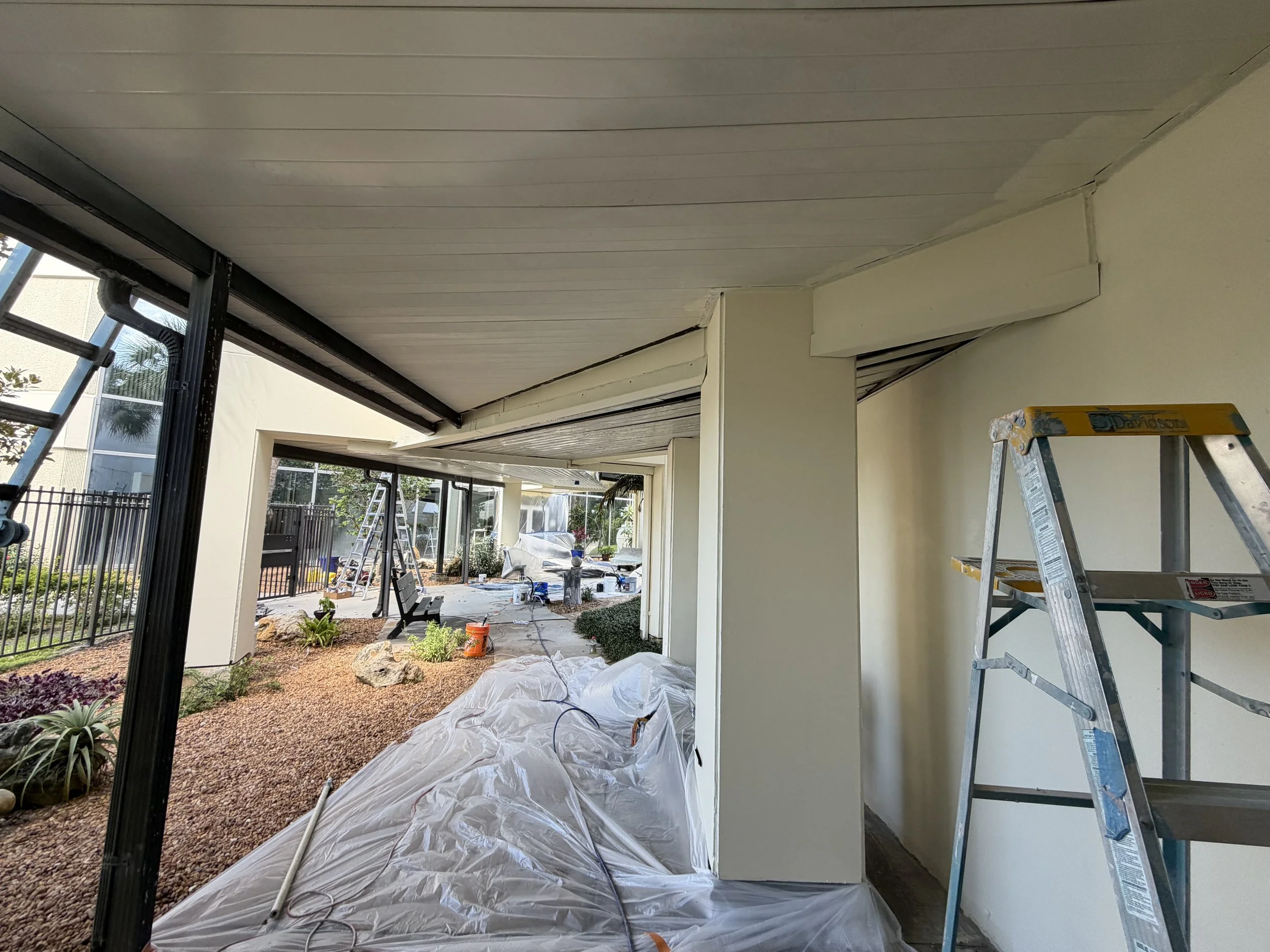
Why Using Primer Is Critical on Older or Failing Paint Surfaces
Priming using Sunflex Florida Paints Primer at the St Lucie County Annex Building in Fort Pierce Florida
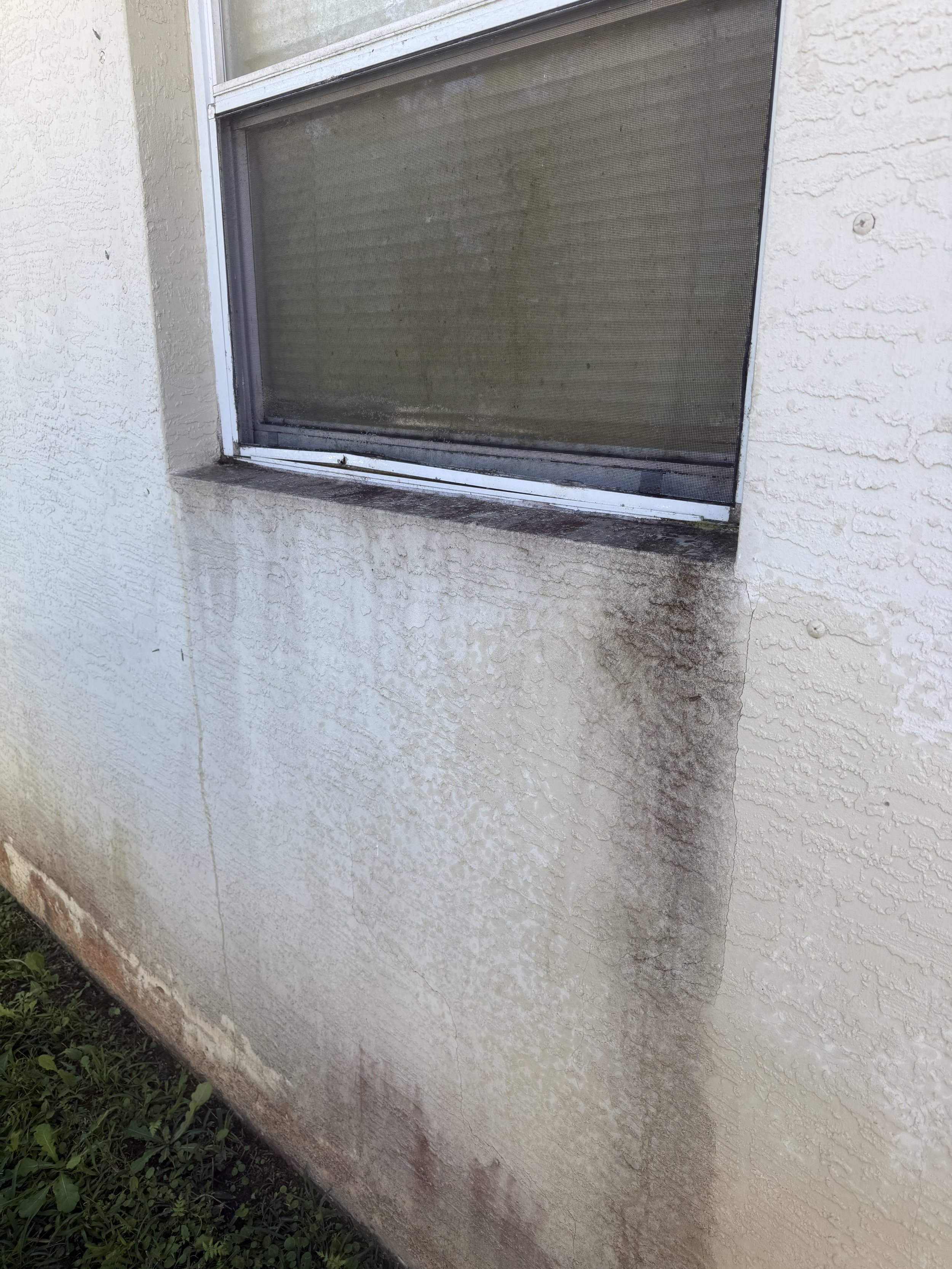
Pressure Washing Before Painting in Florida: Why It’s Critical for a Long-Lasting Exterior Paint Job
Before any paint is applied, proper cleaning is critical. This exterior stucco surface showed heavy black and reddish organic growth around the window area. Thorough pressure washing removed mold, mildew, and buildup, creating a clean surface ready for primer and long-lasting paint adhesion.

Wet Look vs Natural Look Paver Sealing — Which Finish Is Best for Your Vero Beach Home?
Choosing between a wet look or matte finish can completely transform the appearance of your paver driveway. A professional-grade sealer not only enhances the beauty of your pavers but also protects against Florida’s rain, UV exposure, and everyday wear.
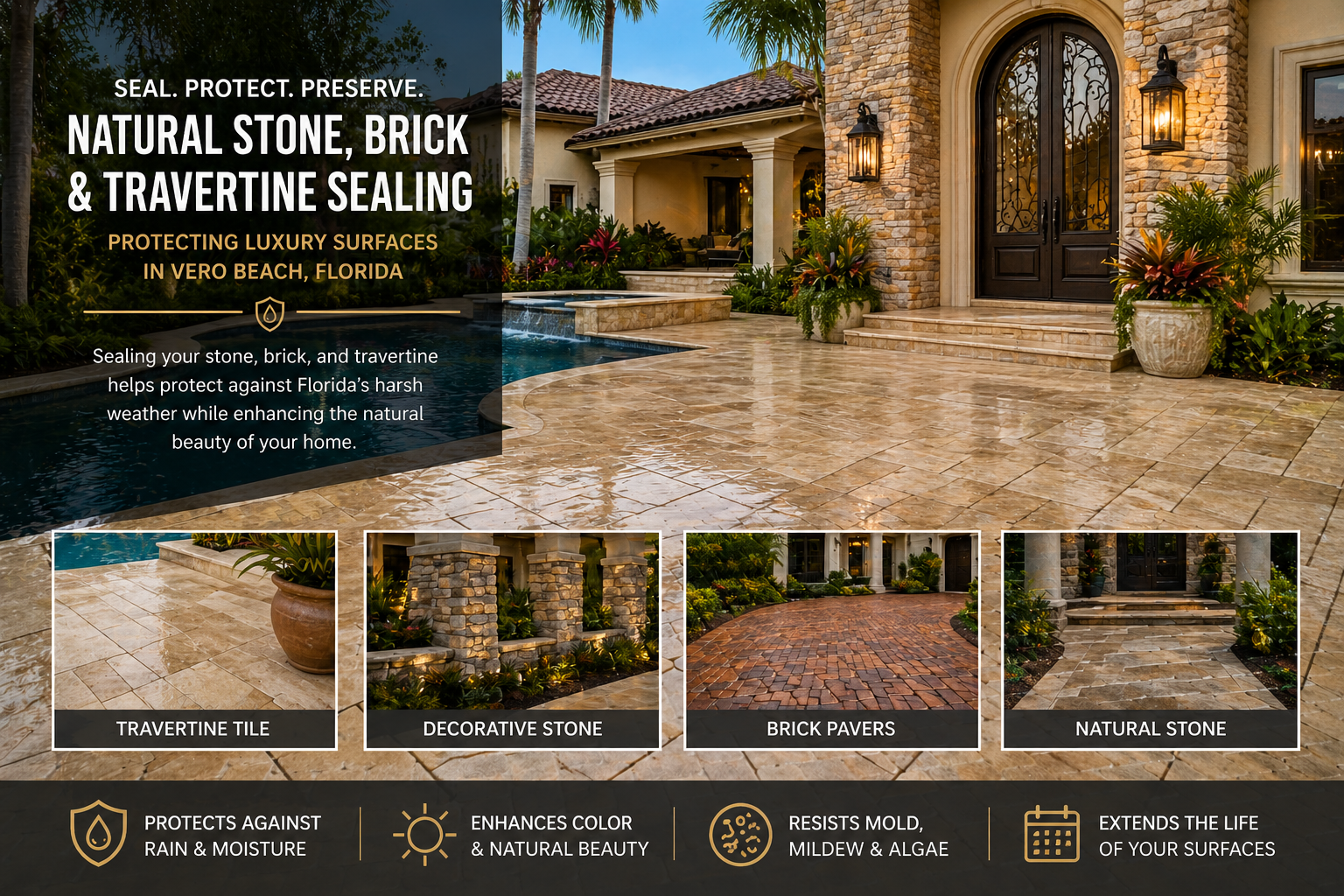
Why Sealing Travertine, Brick, and Decorative Stone Is Essential for Florida Homes
Travertine, brick, and decorative stone add beauty and value to Florida homes—but without proper sealing, rain, humidity, and algae can quickly cause damage. Professional sealing protects these luxury surfaces while enhancing their natural color and long-term durability.

Now is the Time to Seal your Pavers and Stone in Florida
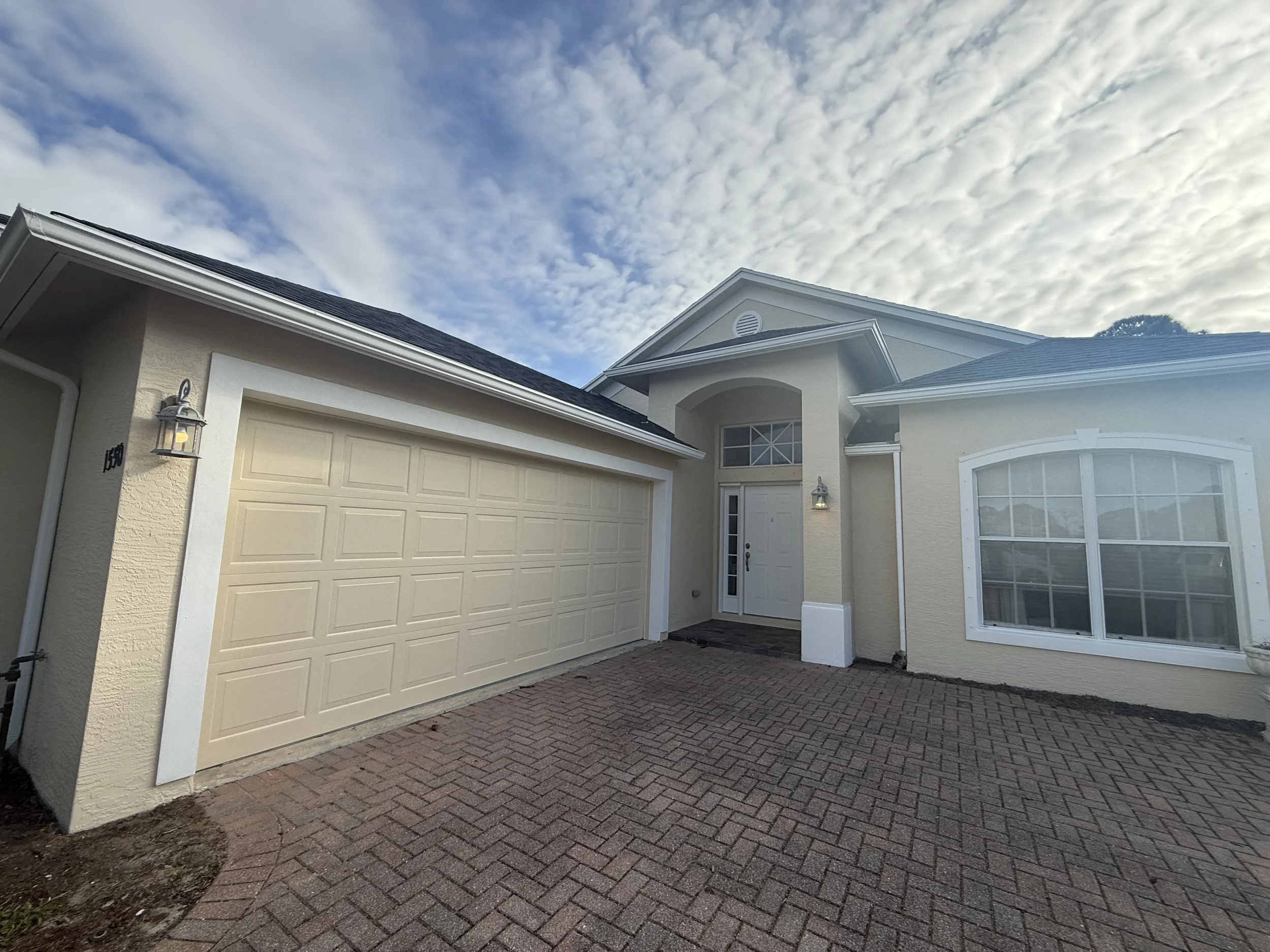
How Often Should You Repaint Your Home Exterior in Florida?
Why Paver Sealing Is Essential in Florida — Protect Your Investment with Professional Trident Sealers
It All Begins Here